
The Future of Managed WordPress Hosting in 2026
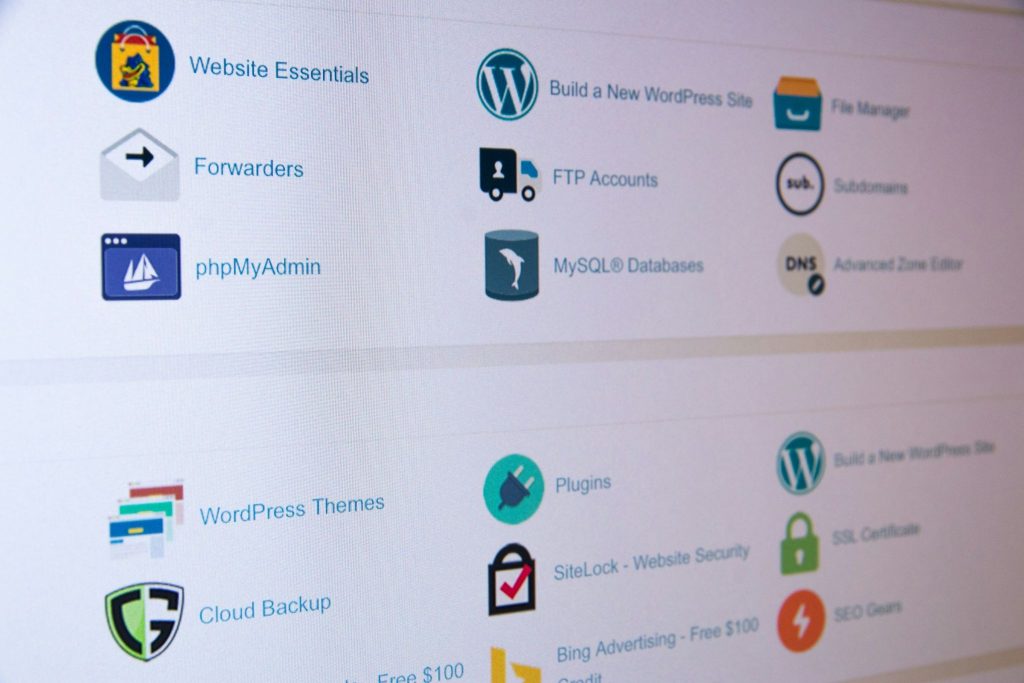
Photo by Stephen Phillips – Hostreviews.co.uk on Unsplash
Managed WordPress hosting has moved far beyond basic server space. In 2026, website owners expect speed, security, support, automation, and flexibility from the same platform. A few years ago, many businesses chose hosting based mainly on price. Today, that approach can create problems. Slow loading pages, poor uptime, weak security, and limited support can hurt search visibility, user trust, and sales.
WordPress remains one of the most popular website platforms because it gives businesses control over design, content, plugins, and growth. But that freedom also comes with responsibility. A WordPress site needs regular updates, backups, malware protection, performance tuning, and technical monitoring. Managed WordPress hosting helps handle these tasks so business owners can focus more on content, customers, and revenue.
In 2026, the future of managed WordPress hosting is being shaped by AI, stronger cybersecurity, edge technology, better developer tools, and a growing need for reliable support. The best providers are no longer selling hosting alone. They are offering a complete website performance system.
Managed Hosting Will Become More Automated
Automation is one of the biggest changes in managed WordPress hosting. Website owners do not want to spend hours checking plugin updates, scanning for malware, or testing backups. They want the hosting platform to handle these tasks quietly and correctly.
In 2026, more managed hosting providers will use automation to manage routine technical work. This includes automatic WordPress core updates, plugin checks, theme compatibility scans, daily backups, uptime monitoring, and performance alerts. The goal is simple. Keep the website healthy before the owner even notices a problem.
This does not mean human support will disappear. It means support teams will have better tools. Instead of waiting for something to break, hosting providers can detect risks earlier and recommend fixes faster.
For businesses comparing the best web hosting plans, automation should be one of the first things to review. A low monthly price may look attractive, but it can cost more later if the plan lacks dependable backups, monitoring, staging tools, and update protection.
AI Will Improve Support and Site Management
AI is already changing customer support, but in managed WordPress hosting, its real value goes deeper. By 2026, AI tools will help identify performance issues, scan unusual traffic behavior, suggest security actions, and guide users through common WordPress problems.
For example, if a website becomes slow after a plugin update, AI-powered systems may detect the plugin conflict and suggest a rollback. If a page starts using too many server resources, the hosting dashboard may flag the issue and explain what changed. This makes technical information easier for non-technical website owners to understand.
AI chat support will also become more common. However, the strongest hosting companies will combine AI assistance with trained human support. Website owners still need real experts when problems involve database errors, complex migrations, WooCommerce issues, or hacked websites.
AI should make hosting support faster, not colder. A good managed hosting provider will use AI to reduce waiting time and improve accuracy, while still giving customers access to people who understand WordPress.
Security Will Become a Bigger Selling Point
Cybersecurity will remain one of the main reasons businesses choose managed WordPress hosting. WordPress sites are common targets because they often rely on plugins, themes, forms, login pages, and third-party integrations. One weak plugin or outdated theme can create serious risk.
In 2026, managed hosting providers will place more attention on proactive security. This may include web application firewalls, malware scanning, brute-force protection, DDoS defense, automatic patching, login protection, and isolated hosting environments.
Business owners will also expect clearer security reports. They do not want vague promises. They want to know what was scanned, what was blocked, and what actions were taken.
When searching for the best web hosting solution, security should be treated as a core feature, not an upgrade. A secure hosting environment helps protect customer trust, payment data, website content, and brand reputation.
Speed Will Matter Even More
Website speed has always mattered, but in 2026, users will have even less patience for slow pages. People expect websites to load fast on mobile devices, even when they are browsing with weaker connections. Search engines also continue to value user experience, which includes page performance.
Managed WordPress hosting providers will respond with better caching, faster PHP versions, optimized databases, image compression tools, content delivery networks, and edge hosting features. Some platforms will also offer built-in performance recommendations inside the dashboard.
Speed is especially important for ecommerce sites, service businesses, publishers, and lead generation websites. A slow checkout page can reduce sales. A slow contact form can lose leads. A slow blog can increase bounce rates.
In 2026, website owners will not only ask whether a host is fast. They will ask how the host keeps the site fast as traffic grows, plugins increase, and content expands.
Edge Technology Will Become More Common
Edge technology brings website content closer to users by serving it from locations near them. This can reduce loading delays, especially for websites with visitors from different countries or regions.
In the past, edge delivery was often seen as a feature for large companies. By 2026, more managed WordPress hosting providers will include edge caching and global delivery features in regular plans. This will help smaller businesses compete with larger brands in terms of speed and reliability.
For WordPress users, edge technology can improve performance for images, blog posts, landing pages, product pages, and static assets. It can also reduce pressure on the main server during traffic spikes.
This matters for businesses that serve national or international audiences. A website should feel fast whether the visitor is nearby or halfway across the world.
Developer Tools Will Keep Getting Better
Managed WordPress hosting is not only for beginners. Developers, agencies, and growing businesses need tools that make website work faster and safer. In 2026, hosting providers will continue improving staging environments, Git integration, local development tools, command line access, activity logs, and team permissions.
Staging sites are especially important. They let users test plugin updates, design changes, and new features before pushing them live. This reduces the risk of breaking a public website.
Agencies will also want better collaboration tools. They need to manage several client sites, assign roles, track changes, and control billing. Managed hosting providers that serve agencies well will stand out.
The future of managed WordPress hosting will favor platforms that support both simple users and advanced teams.
WooCommerce Hosting Will Need More Power
Online stores need more than standard WordPress hosting. WooCommerce sites handle product pages, carts, checkout flows, payment gateways, customer accounts, and inventory tools. These features create more database activity than a simple brochure website.
In 2026, managed WordPress hosting for WooCommerce will become more specialized. Store owners will look for faster checkout performance, stronger security, scalable resources, automatic backups, and expert support that understands ecommerce.
Traffic spikes during sales events can also create problems. A good hosting provider should help stores handle seasonal traffic without crashing. This is important for brands that run holiday sales, product launches, or limited-time offers.
For businesses comparing the best web hosting services, WooCommerce support should be reviewed carefully if online selling is part of the plan. General WordPress support may not be enough for a store that depends on smooth checkout and reliable uptime.
Pricing Will Focus More on Value Than Cheap Plans
In 2026, many website owners will still care about price, but cheap hosting will not always look like the smartest choice. A low-cost plan can become expensive if it leads to downtime, slow speed, weak support, or security problems.
Managed WordPress hosting usually costs more than shared hosting because it includes more hands-on services. These may include backups, malware protection, caching, updates, support, staging, and performance tools.
The better question is not, “Which host is cheapest?” The better question is, “Which host helps this website run well with fewer problems?”
Small businesses should look at total value. If better hosting saves time, prevents technical issues, improves speed, and protects revenue, the higher monthly fee may make sense.
Support Will Remain a Major Difference
Even with AI and automation, support will still separate strong hosting providers from weak ones. When a website goes down, gets hacked, or breaks after an update, business owners want help fast.
In 2026, the best managed WordPress hosts will offer support teams that understand WordPress deeply. They will not only read from scripts. They will know how themes, plugins, caching, databases, and server settings work together.
Good support should be clear, practical, and honest. Customers need explanations they can understand. They also need guidance on what to do next.
Fast support can save money, especially for businesses that rely on their website for leads, sales, bookings, or content publishing.
The Future Is More Hands-Off for Website Owners
The main promise of managed WordPress hosting is simple. It lets website owners spend less time managing technical tasks and more time growing the site.
In 2026, that promise will become even stronger. Hosting dashboards will become easier to use. Security tools will become more proactive. Performance systems will become smarter. Support will become faster. Developers will get better workflows. Ecommerce sites will get more specialized tools.
Still, not every managed host will offer the same level of quality. Website owners should compare features carefully and avoid choosing based only on price or marketing claims.
The future of managed WordPress hosting belongs to providers that can combine speed, security, automation, support, and flexibility into one dependable service. For modern websites, hosting is no longer a background expense. It is part of the website’s foundation.
About the Author
Paul Wheeler is a web hosting specialist who helps businesses understand hosting performance, security, and reliability for smarter website growth and long-term success.