The Ultimate Homeowner’s Guide to Choosing the Right Grid Tie Micro Inverter
Introduction
There are many reasons to use a micro inverter-sumitrapower with your solar power system however one of the most important criteria to consider when investing in a solar power system, is choosing the best micro inverter available. The micro-inverter is a small but essential piece of equipment that converts the DC electricity produced by your solar panels to AC electricity required to power your home. So picking the correct grid tie micro inverter will absolutely affect your system efficiency, performance, and return on investment for the next 20 years. But this guide is going to explain everything you need to know so that if an offer does come your way, you can decide how much of it you really want or take a steadier job with no regrets.
What Is a Grid Tie Micro Inverter?
Grid tie micro inverter : It is nothing but a small inverter which fits onto each and every solar panel, rather than having one centralised inverter for your complete system. This enables your array to work at optimal efficiency even if one of the panels is shaded or underperforming.
Grid Tie Micro Inverters Unlike off-grid inverters, grid tie micro inverters are engineered to feed power directly into your home’s electrical system and the utility grid. It enables you to make use of net metering, allowing the extra electricity to offset your utility bill.
Does a Micro Inverter Really Beat Out All?
Here are the main benefits of a micro inverter system when compared with a traditional string inverter:
- Panel-Level Optimization: Shading from one panel won’t affect all the inverters as each panel has its own inverter.
- Greater Energy Yields: Micro inverters allow every panel to generate at its maximum potential output so that you can keep generating power for longer periods.
- Maintenance is easier: If something goes wrong, it will be broken up into small panels which will make maintenance a much easier process.
- Increase Warranty: Micros grant 20–25 year warranties in various cases as the industry standard string warranties are 8–12 years.
Micro inverters generally perform better with partial shading or variable sunlight, so they are right for many homeowners.
Factors to Consider When Shopping for a Grid Tie Micro Inverter
1. Compatibility with Your Solar Panels
Please note that not all micro-inverters are compatible with all types of panels. The only thing you have to pay attention to, is that the model you choose matches your panel’s voltage and wattage specifications.
2. Efficiency Rating
Micro inverter* : Standard efficiency rating > 95%** Increased efficiency =Less energy loses in DC/AC conversion
3. Durability and Weather Resistance
Since micro inverters are placed outside, they need to have a good IP (Ingress Protection) rating against rain, dust and harsh temperatures.
4. Monitoring Capabilities
Newer micro inverters include a monitoring system so you can keep an eye on each panel through your smart phone app or by visiting a web based dashboard.
5. Warranty and Support
Select a brand that has a good reputation, is backed with an excellent warranty and dependable customer service. A 10 year/200,000KM warranty is better than a kick in the loins for decades to come
Installation and Maintenance Tips
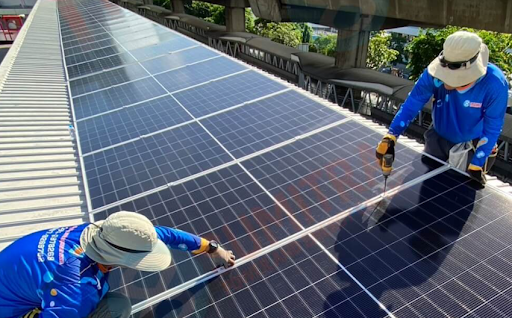
While some experienced DIYers may install the device, hiring a certified installer ensures the installation is up to local electrical codes and warranty requirements.
- Plan for future expansion: If you want to leave the door open to add more panels later, choose a micro inverter model that can be expanded.
- Keep Up With Performance Monitoring: Leverage the standard monitoring tools available to alert you when performance dips below normal, indicating a possible need for maintenance.
Cost vs. Long-Term Value
While micro inverter systems can be more expensive at the outset, they are generally cost-effective due to greater energy production and extended warranties of 20-25 years (the lifetime of string inverters is 10-15 years) over the long term. Rather, consider it an investment in consistent energy production from optimal solar output over the life of your system.
Conclusion
Critical to the success of your solar system is ensuring that you have chosen the right grid tie micro inverter from among the vast selection available. If you consider factors such as the brand of the panel, efficiency rating, durability, monitoring features and warranty, you can make a choice that will supply you with power for years to come. Although it may be expensive at the outset but yet when it comes to talk about long term energy saving and proper operation of the system, this is indeed a wise choice for any homeowner staying faithful with sustainable energy.
When properly optimized with the right micro inverter-sumitrapower, your solar power system will be running for its full potential and help lower utility bills, increase energy independence, and ultimately contribute to a greener tomorrow.